
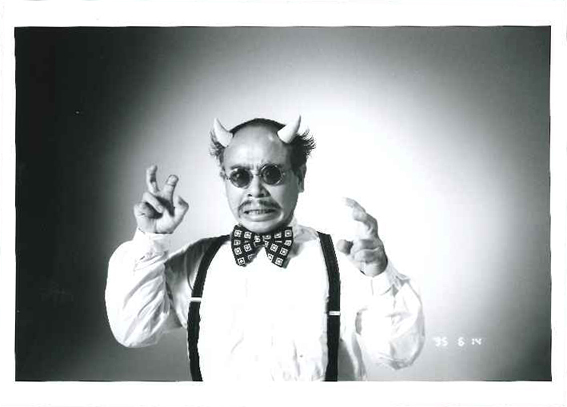
Nobuyoshi ARAKI
Nobuyoshi Araki (Tokyo, 1940) is a Tokyo-based photographer. Araki completed his studies at Chiba University’s Department of Photography, Printing and Engineering with a focus on the study of film and photography. His photographic project “Satchin” earned him the prestigious Taiyo Award in 1964, shortly after he had joined the advertising agency Dentsu, where he worked until 1972. At Dentsu he met his wife Yoko, to whom he paid homage in Sentimental Journey, a photographic record of their honeymoon published in 1971. Eros and thanatos has been a central theme in Araki’s work; an abiding fascination with female genitalia and women’s bodies in Japanese bondage, flowers, food, his cat, faces, and Tokyo street scenes. His solo exhibitions include “Araki”, Musée National des Arts Asiatiques Guimet, Paris (2016); “Ōjō Shashū: Photography for the Afterlife – Faces, Skyscapes, Roads”, Toyota Municipal Museum of Art (2014); “Nobuyoshi Araki Photobook Exhibition: Arākī”, IZU PHOTO MUSEUM, Shizuoka (2012); “NOBUYOSHI ARAKI: Self, Life, Death”, The Barbican Art Gallery, London (2005); “Hana- Jinsei”, Tokyo Metropolitan Museum of Photography (2003); “Tokyo Still Life”, Ikon Gallery, Birmingham (2001); “Nobuyoshi Araki”, Stedelijk Museum voor Actuele Kunst, Gent (2000); “ARAKI Nobuyoshi Sentimental Photography, Sentimental Life”, Museum of Contemporary Art, Tokyo (1999); “Tokyo Comedy”, Wiener Secession, Vienna (1997); “Journal intime”, Fondation Cartier pour l’art contemporain, Paris (1995); “Akt-Tokyo: Nobuyoshi Araki 1971-1991″, Forum Stadtpark, Graz (1992). Araki is a recipient of the Austrian Decoration of Honor for Science and Arts (2008) and the 54th Mainichi Art Award (2012).
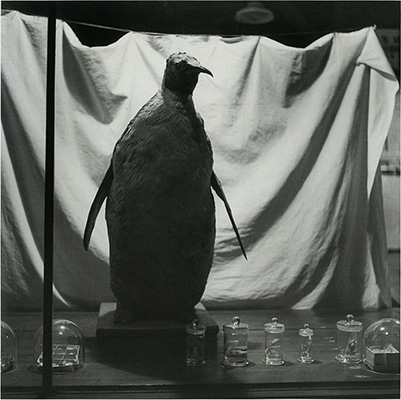
Kiyoji OTSUJI
Kiyoji Otsuji was born in 1923 in Tokyo, and died in 2001. He studied at Tokyo Professional School of Photography in 1942. At the beginning of his career he worked mostly in the field of commercial photography, creating studio work and magazine photographs. In 1953, together with Kosaku Ito and Hamao Hamada, he founded the photography and design studio Graphic Group. Thereafter, he participated in the interdisciplinary avant-garde art collective Jikken Kobo (Experimental Workshop), which brought together young musicians and artists under the direction of Shuzo Takiguchi. Jikken Kobo’s intermedia, cross-disciplinary works helped to foster the rebirth of the Japanese cultural avant-garde. Otsuji’s work is distinctive due to its sculptural and avant-garde qualities, which are tied to a spirit of experimentation. At the same time, his excellent texts on photography—both criticism and theory—have widely influenced later generations. Otsuji also left a significant mark as a teacher: from 1960, he taught at Kuwasawa Design School, Tokyo Zokei University, University of Tsukuba and Kyushu Sangyo University, among other places. His students include Yutaka Takanashi, Shinzo Shimao, Shigeo Gocho and Naoya Hatakeyama. Otsuji’s main exhibits include “Kiyoji Otsuji Exhibition,” Tokyo Gallery (1987), “Kiyoji Otsuji Retrospective – Experimental Workshop of Photography,” The National Museum of Modern Art, Tokyo (1999) and “Kiyoji Otsuji: Encounter and Collaboration,” The Shoto Museum of Art, Tokyo (2007). He received The Photographic Society of Japan Distinguished Contributions Award in 1996.
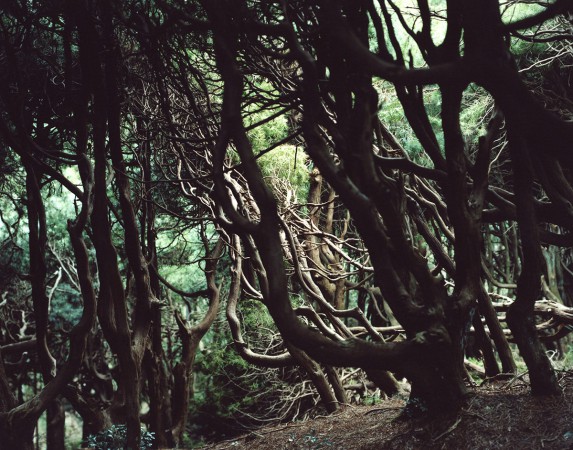
Risaku Suzuki “Between the Sea and the Mountain – Kumano”
Dates: Nov 8 – Dec 21, 2016
Location: Taka Ishii Gallery Photography Paris
Opening reception with the artist: Tuesday, Nov 8, 17:00 – 21:00
Book signing: Tuesday, Nov 8, 17:00 – 21:00

Larry CLARK
Larry Clark was born in Tulsa, Oklahoma in 1943. Between 1963 and 1971 he took photographs of the sexual activity, drug use and violence which his friends in Tulsa experienced regularly. The resulting book, Tulsa, was published in 1971. Through later works like Teenage Lust, he continued to turn a highly sympathetic eye to the impulsive, self-destructive drives to which teenagers continually throw themselves. As a way to transmit stories through a different medium, from the late 1980s until the 1990s, Clark helped to make various films, and in 1995 he released Kids, his debut film as a director. Films such as Bully (2001) and Ken Park (2002) would follow, and in 2012 he released Marfa Girls. This film was first screened in public at the 7th Rome Film Festival, where it won the top prize, Marc’Aurelio Award (2012). After that, the film was distributed through Clark’s own website. Clark’s main solo exhibits include “Kiss the past hello,” Musée d’Art Moderne de la Ville de Paris (2010), “Larry Clark: Tulsa, 1963-1971,” Maison Européenne de La Photographie, Paris (2007) and “punk Picasso,” The Watari Museum of Contemporary Art, Tokyo (2004).
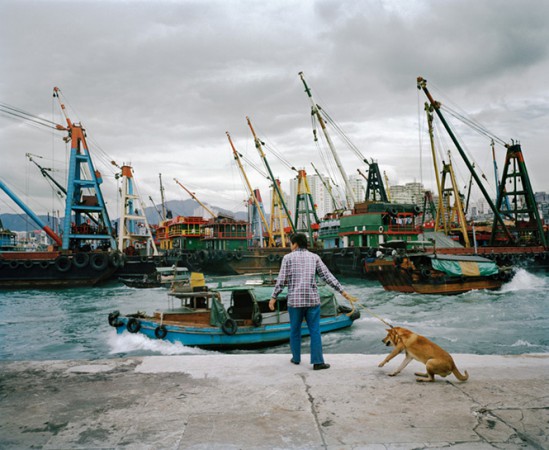
Leo RUBINFIEN
Leo Rubinfien was born in 1953 in Chicago, and spent much of his childhood in Tokyo. He first won attention as one of the circle of young American photographers who investigated the new color techniques of the early 1980s, and much of his work has grown out of his extensive travels in Asia and around the world. His photographs have been acclaimed for the intimacy, humanity and vivid detail with which they look at the global city. He is the author of three books of photographs, A Map of the East (1992), Wounded Cities (2008) and New Turns in Old Roads (2014). When A Map of the East was published, The New York Times praised “these elegant, lonely pictures,” and the New York Review of Books called them “superb.”
Rubinfien is also well known as a writer, and has served as the curator of two prominent retrospective exhibitions, “Shomei Tomatsu / Skin of the Nation” (San Francisco Museum of Modern Art, Japan House, New York, Galerie Rudolfinum, Prague, etc., 2004-6) and “Garry Winogrand” (San Francisco Museum of Modern Art, National Gallery of Art, Metropolitan Museum of Art, Jeu de Paume 2013-14).
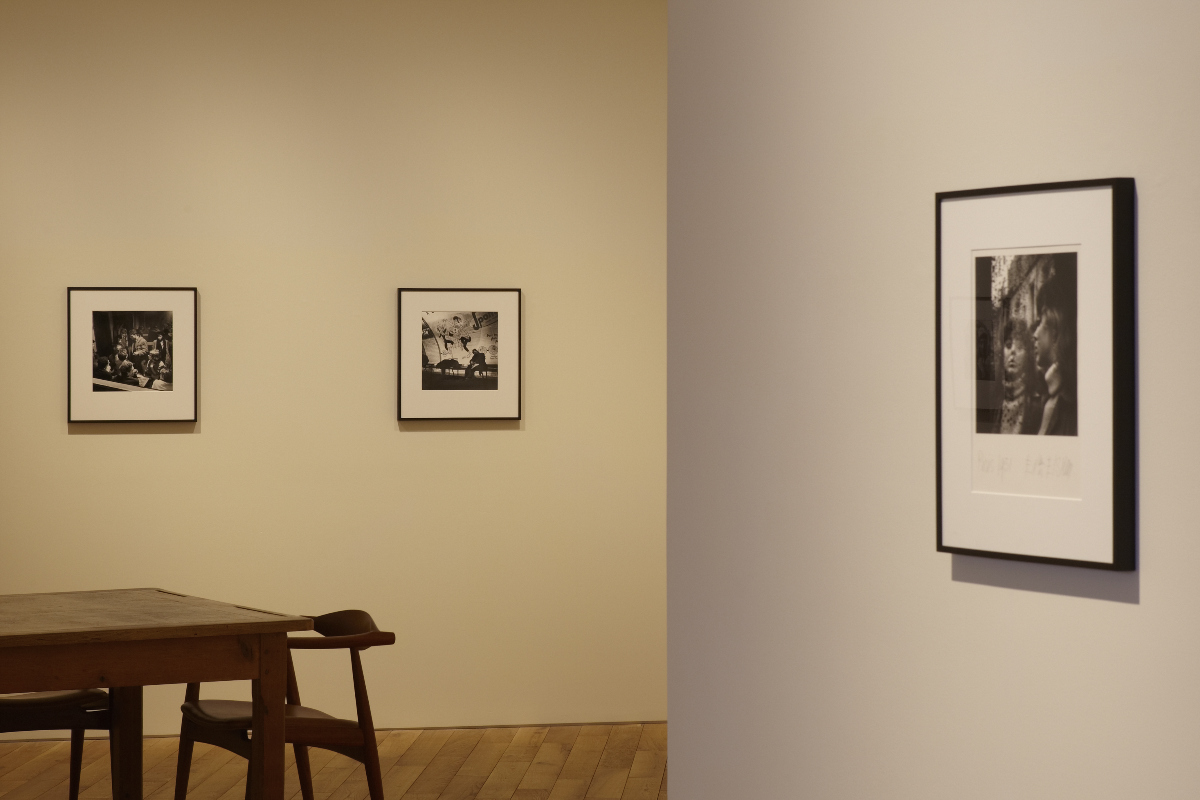
Ed van der ELSKEN
Ed van der Elsken was born in Amsterdam in 1925, and died in 1990. After World War II, he began photographing with his father’s camera. While working broadly as a freelance photographer, he also took many personal photographs of cities. After visiting Paris, he moved to the Saint-Germain-des-Prés area of the city, where he joined the crowd of young bohemians from various countries that was gathered there. Van der Elsken published his first photography book, Love on the Left Bank, in 1956; this work showed young people whose mode of living made them unfit for conventional society. Van der Elsken’s ability to produce undramatic fiction from everyday reality and his cinematic technique brought him great attention—including from Edward Steichen, then the photography curator at MoMA. Van der Elsken’s reputation was cemented when Steichen selected his work for the famous 1955 “The Family of Man” exhibition. Many of van der Elsken’s works show the life experiences of energy-filled iconoclasts, and his subjective way of showing these people has led him to be viewed as a pioneer of street photography. Among others, Eikoh Hosoe, Kishin Shinoyama and Nobuyoshi Araki have all been influenced by his work. His major photography books include Bagara (1958), Jazz (1959) and Sweet Life (1966).
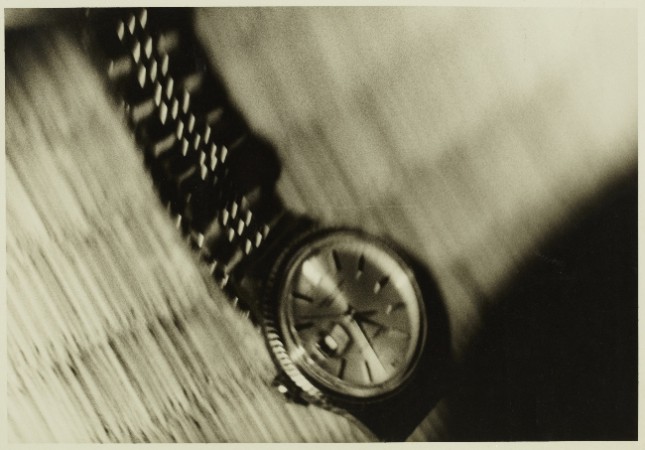
Kiyoshi SUZUKI
In 1943, born in Yoshima Village (currently Iwaki City), Fukushima Prefecture, the former site of the Joban coal mine. He passed away in 2000. After graduating from a part-time high school, he moved to Tokyo to become a cartoonist, but was so moved by Ken Domon’s “Children in Chikuho” (1960) that he decided to become a photographer. He attended the Tokyo College of Photography and graduated in 1969. In 1970, he debuted with the series “Coal Mining Town” which included images of the coal mine in his hometown and was published in Camera Mainichi. In 1972, he self-published his first book of photographs “Soul and Soul” and continued to make photographs while making a living as a sign painter thereafter. He published “The Light that has Lighted the World” in 1976, Mind Games (recipient of the 33rd Photographic Society of Japan’s Newcomer’s Award) in 1982, “Finish Dying” (recipient of the 1995 Ken Domon Award) in 1994, and “Durasia” in 1998. Nearly all of the publications were self-published and designed.
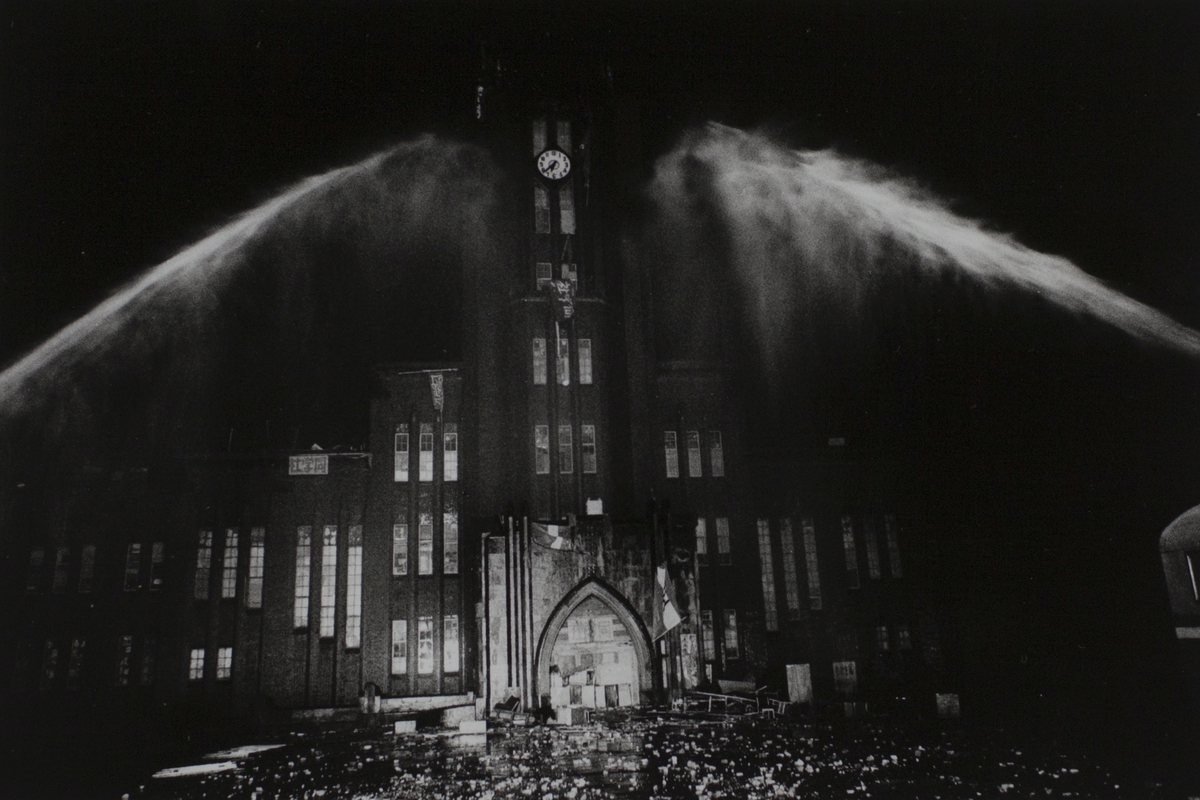
Takashi HAMAGUCHI
Takashi Hamaguchi was born in 1931 in Shizuoka Prefecture, and passed away in 2018. He began working seriously as a photographer after registering with the Nihon Hodo-Shashin Renmei photojournalist association in 1956. He debuted as a photojournalist with his image of the decisive moment of a student throwing a rock at Crown Prince Akihito’s wedding carriage in 1959, which was published widely in magazines. He went on to shoot socio-political issues regarding the US military bases, Niigata earthquake, student struggles, and protests against the construction of Narita Airport. His major awards include the All-Japan Mainichi Photography Exhibition Prime Minister’s Award, which he received for “Niigata Earthquake” in 1964. He has been included in major exhibitions such as “Record and Instant” at Nikon Salon on 1968. His photobooks and texts include Record and Instant (1969) and University Struggle Towards ANPO 70 (1969).
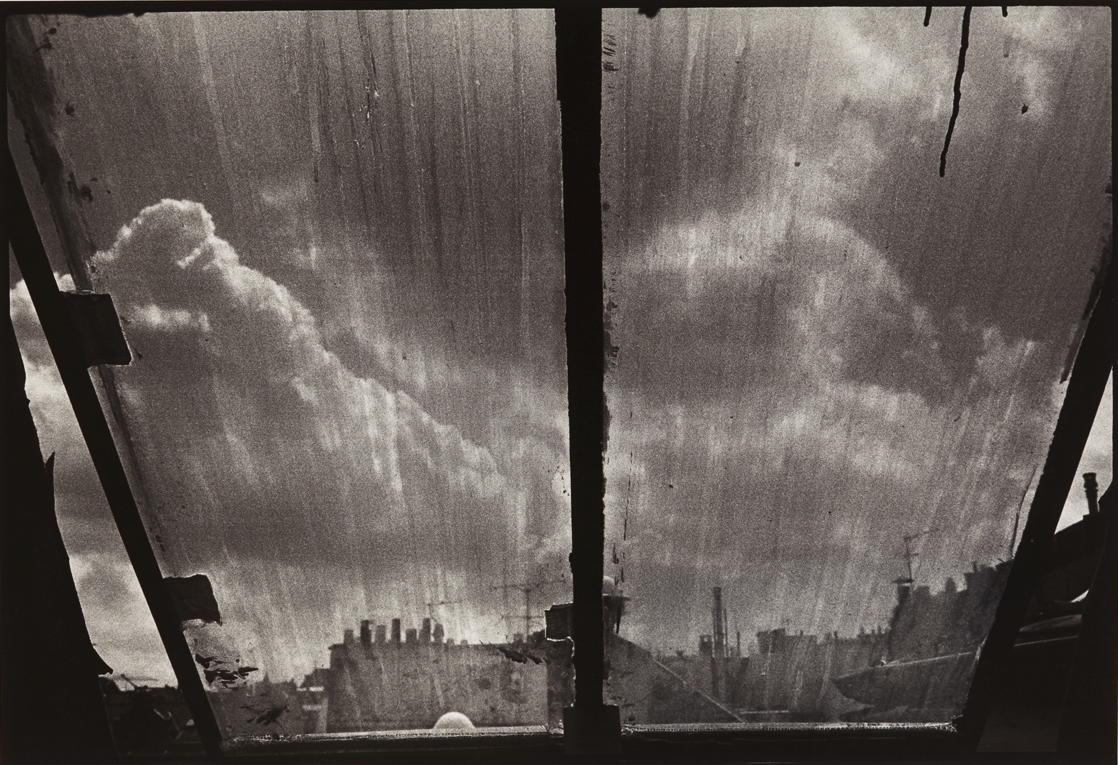
Keiichi TAHARA
Born in Kyoto in 1951 and passed away in 2017. Because his grandfather was a photographer, Tahara was able to master photographic techniques during his youth. In 1972, he went to Paris to photograph, after becoming fascinated by the strength of the European light, which was completely new to him. Tahara received international attention in 1977, when his series “Fenêtre” (Window) was recognized with the Newcomer Prize at The Rencontres d’Arles, France. Later, he would produce representative works such as “Portrait” (1978-87) and “Eclats” (1979-1983). He also exhibited various works produced after making a journey through all of Europe, photographing architectural spaces constructed around the end of the 19th century. Since the late 1980s, Tahara expanded his practice beyond photography, instead working “to see the existence of light itself; to catch light with my own hand.” He therefore realized a number of projects—including sculptures and installations—that are based entirely on light. These works have been exhibited around the world, not only at museums but also at various other locations where they have been installed permanently. Also since the late 1970s, he produced the series “Photosynthesis,” which featured the dancer Min Tanaka, exploring the relationship between physical light and the human body. He exhibited the works at home and abroad, at times collaborating with the dancer in live performances. Tahara’s main awards include The Photographic Society of Japan Newcomer’s Award (1984), The Higashikawa Award (1985), the Ihei Kimura Award (1985) and admission into the French Order of Arts and Letters, Chevalier grade (1993).
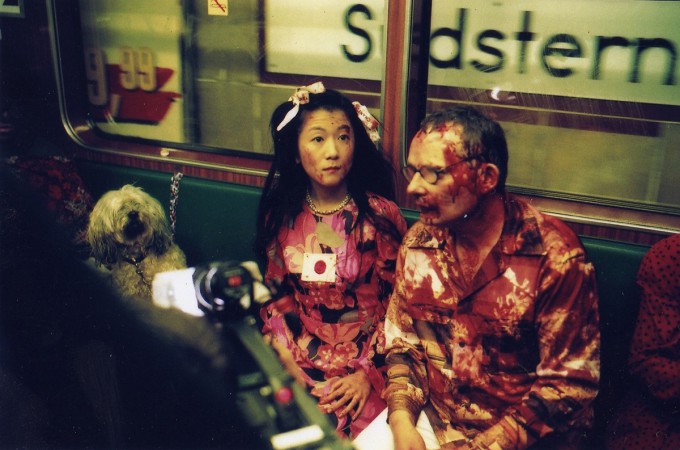
Hanayo
Hanayo was born in Tokyo in 1970. She studied in Paris while majoring in sculpture at Tamagawa University College of Arts. In 1989, soon after her return from Paris, Hanayo began training as a geisha apprentice in Mukojima. She retired from the geisha world in 1995 and moved to the UK in 1995. Currently based in Berlin and Tokyo, she has made works throughout her career as a photographer, geisha, musician, and model. Her photographs and collages capture her daily life in a dreamlike light that colors her surroundings. She has also exhibited installations, in which music and three-dimensional elements are added to her collages and photographs. She performs frequently and has participated in numerous group and international exhibitions in Japan and abroad. Her solo exhibitions include “utsushiyumekuni”, PARCO GALLERY (Tokyo, 2000); “hanayo”, Palais de Tokyo (Paris, 2002); “hanayo III” Taka Ishii Gallery Photography / Film (Tokyo, 2017). Her publications include Hanayome (Shinchosha, 1996); MAGMA (AKAAKA Art Publishing, 2008); berlin (Getsuyosha, 2013); Tenko (Case Publishing, 2016); Hanayo’s Underworld: Half a Century (Kawade Shobo Shinsha, 2021). Her music albums include wooden veil (dekorder, 2009); Gift (DHR Geist, 2000). Her works are included in the collection of Tokyo Photographic Art Museum (Tokyo, Japan).
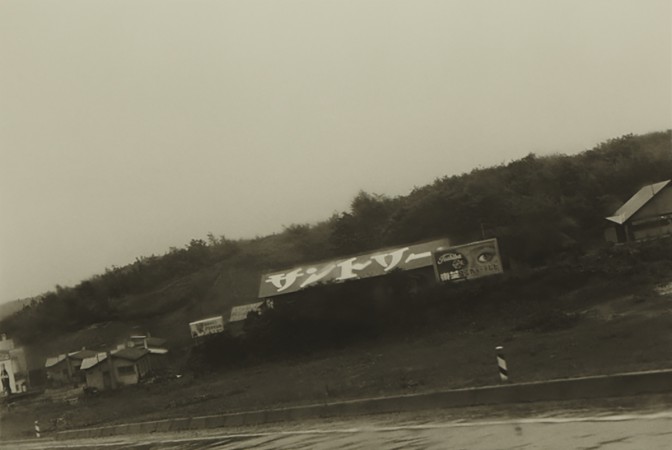
Yutaka TAKANASHI
Born in Tokyo in 1935. Since beginning his career as a photographer at the end of the 1950s, Takanashi has simultaneously worked on the front lines of commercial photography and toward his central theme of “cities,” exhibiting a wide range of series concerning the subject. In 1964, he won the 8th Japan Photo Critics Association Newcomer Award, and in 1967, he won the 5th Biennale de Paris Grand Prix for Photography. In 1968, together with Takuma Nakahira, Koji Taki and Takahiko Okada, he began publishing the photography magazine PROVOKE, which stopped its activities in 1970. In 1985 and 1993, he won Photographic Society of Japan Annual Prize, and in 1991 he won the 3rd Annual Prize of “Society of Photography.” In 1993, together with Genpei Akasegawa and Yutokutaishi Akiyama, he formed the “Leica Alliance.” His representative works include Toshi-e (Towards the City) (1974), Machi (Town) (1977), Tokyoites 1978-1983 (1983), Hatsukuni (Pre-Landscape) (1993), Chimeiron: genius loci, Tokyo (2000), NOSTALGHIA (2004) and Kakoi-machi (Fencing City) (2007). In 2009, he held the exhibit “Yutaka Takanashi: Field Notes of Light,” at The National Museum of Modern Art, Tokyo. In 2012, his photography book IN’ (2011) won the 31st Ken Domon Award. In the same year, he held the solo exhibition “Yutaka Takanashi” at Fondation Henri Cartier-Bresson (Paris).
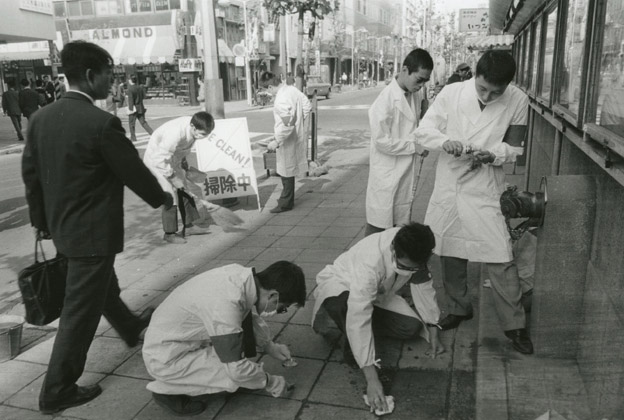
Minoru HIRATA
Minoru Hirata was born in Tokyo in 1930 and passed away in 2018. He worked as a freelance photojournalist and he has documented the avant-garde activities of such important artists in 1960’s as Yoko Ono, Genpei Akasegawa, Ushio Shinohara, Hi Red Center, and Zero Dimension. His lifelong themes also include Okinawa and sky sports, which were presented in various exhibitions such as “Fly, Icaros, Fly” at the Nikon Salon (1975), “Okinawa Era 1968-1974: Before the Return, After the Return, Before the Ocean Expo” at the Konica Plaza Gallery (2000) in Tokyo. His work has frequently been shown in the exhibitions of postwar Japanese art, including “Tokyo 1955– 1970” at MOMA in New York (2012). Hirata also participated in Les Rencontres d’Arles in 2011. He is a member of the Japan Professional Photographers Society, the Japan Photographic Copyright Association and the APG-Japan.

Shomei TOMATSU
Shomei Tomatsu was born in Nagoya in 1930, and passed away in 2012. He began photographing while he was at Aichi University, and before long he would become recognized as the fulcrum of the post-war photography world of Japan. Beginning with a series that observes the people and scenery around American Military bases (“Occupation”) and moving towards a recollection of the atomic bomb (11:02 Nagasaki, 1966), Tomatsu looked at the situation of his day with a sharp eye, while also opening up new possibilities for photographic expression. In 1969, after visiting Okinawa for the first time, he developed a deeper interest not just towards bases, but also towards natural beauty. This interest guided the production of his 1975 book The Pencil of the Sun, which won the Mainichi Art Award and The Minister of Education, Science and Culture’s Art Encouragement Prize. In 1999, he moved to Nagasaki, also setting up a residence in Okinawa and producing work at a steady clip.
His major solo exhibitions include “Traces: Fifty Years of Tomatsu’s Work,” Tokyo Metropolitan Museum of Photography (1999), “Nagasaki Mandala,” Nagasaki Prefectural Art Museum (2000), “Okinawa Mandala,” Urasoe Art Museum (2002), “Aichi Mandala: Tomatsu Shomei’s Landscape,” Aichi Prefectural Museum of Art, Nagoya (2006), “Tomatsu Shomei: Tokyo Mandala,” Tokyo Metropolitan Museum of Photography (2007), “Tomatsu Shomei: Photographs,” Nagoya City Art Museum (2011), and “Shomei Tomatsu: Island Life”, the Art Institute of Chicago (2014). The exhibition “Shomei Tomatsu: Skin of the Nation,” which was organized by The San Francisco Museum of Modern Art in 2004, toured various places in America and Europe through 2007. Among his major awards are the Japan Photo Critics Association Newcomer’s Award (1958), the Japan Photo Critics Association Artist Award (1961), the Mainichi Art Award (1976), The Minister of Education, Science and Culture’s Art Encouragement Prize (1976), The Medal with Purple Ribbon (1995) and The Photographic Society of Japan Distinguished Contributions Award (2005).
Roppongi New Space Inaugural Exhibition: “MOVED”
Dates: Oct 21 – Nov 19, 2016
Location: Taka Ishii Gallery Tokyo
New address: complex665 3F, 6-5-24 Roppongi, Minato-ku
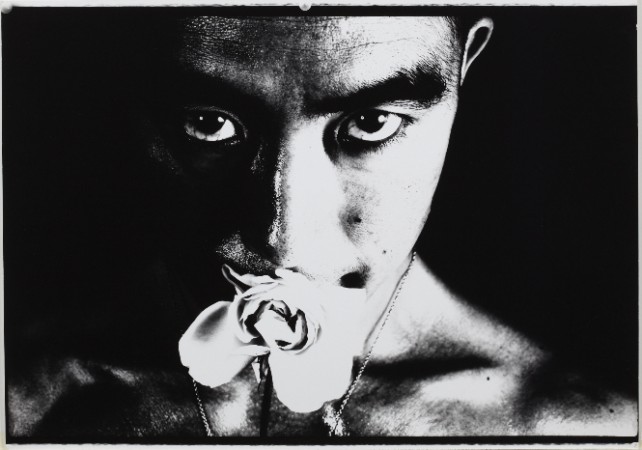
Eikoh HOSOE
Born in 1933 in Yamagata Prefecture. In 1951, Hosoe won the top prize for students at the Fujifilm-sponsored “Fuji Photo Contest.” In 1952, after entering the Tokyo Junior College of Photography (currently Tokyo Polytechnic University), he formed a connection with the renowned artist Ei-Q, who organized Demokrato, an avant-garde artists’ group. Through this relationship, Hosoe cemented his individualistic way of thinking, which challenged common conceptions of art. He graduated in 1954, and in 1956 held his first solo exhibition, “An American Girl in Tokyo.” In 1957, he participated in the exhibit “The Eyes of Ten,” organized by photography critic Tatsuo Fukushima. This exhibit led Hosoe to meet photographers Kikuji Kawada, Akira Sato, Akira Tanno, Shomei Tomatsu and Ikko Narahara, and together they formed the independent photo agency VIVO. This agency positioned itself against the then-popular Realism Photography Movement, and instead developed more “personal” or “subjective” modes of photographic expression.
At the beginning of Hosoe’s career in the 1950s, he produced many important works depicting people, and he won the Japan Photo Critics Association Newcomer’s Award for his 1960 solo exhibition “Man and Woman.” His 1963 work Barakei (Ordeal by Roses), featuring the author Yukio Mishima as a model, elicited a huge response, and Hosoe was eventually recognized with the Japan Photo Critics Association Artist Award. His 1970 work Kamaitachi (A Weasel’s Slash), which was produced in a farming village in the Akita Prefecture with the butoh dancer Tatsumi Hijikata, won The Ministry of Education, Science and Culture’s Arts Encouragement Prize. Hosoe has an esteemed reputation both at home and abroad: among his awards include The Medal with Purple Ribbon (1998), The Royal Photographic Society Special 150th Anniversary Medal Award (2003), The Order of the Rising Sun (2007), the Mainichi Art Award (2008), The Order of the Rising Sun, Gold and Silver Star (2017), and a designation as a Person of Cultural Merit by the Ministry of Education in 2010.
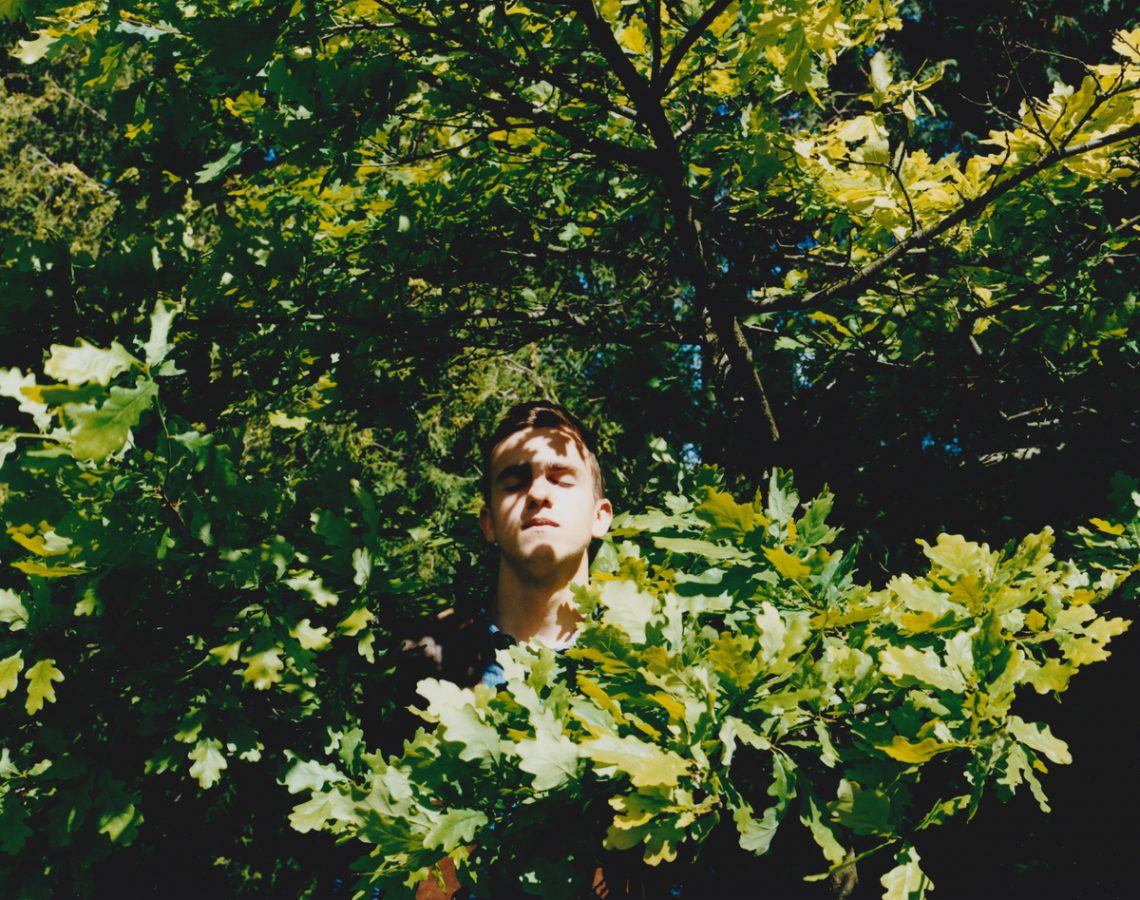
Nao TSUDA
Born in Kobe in 1976. Through his viewfinder, Tsuda has explored the relationship between human and nature, one of continued historical importance. He mainly photographs landscapes and has exhibited a large number of these works internationally since 2001. With a unique view toward nature and a sincere approach to the timeless theme “the relationship between photography and time,” Tsuda is cultivating a new trend in landscape photography as one of its rising stars and winner of The Art Encouragement Prize for New Artists in 2010. In recent years, he has actively collaborated in areas beyond the field of contemporary art such as lectures, special classes and magazine writing, for which he regularly contributes. Since 2017, he has been a visiting professor at Osaka University of Arts. His publications include Kogi (2007), SMOKE LINE (2008), Coming Closer (augmented edition, 2009), Storm Last Night (2010), SAMELAND (2014), NAGA (2015), TRIBUTE FROM GREEN FOREST (2015), IHEYA・IZENA (2016) and Elnias Forest (2018).
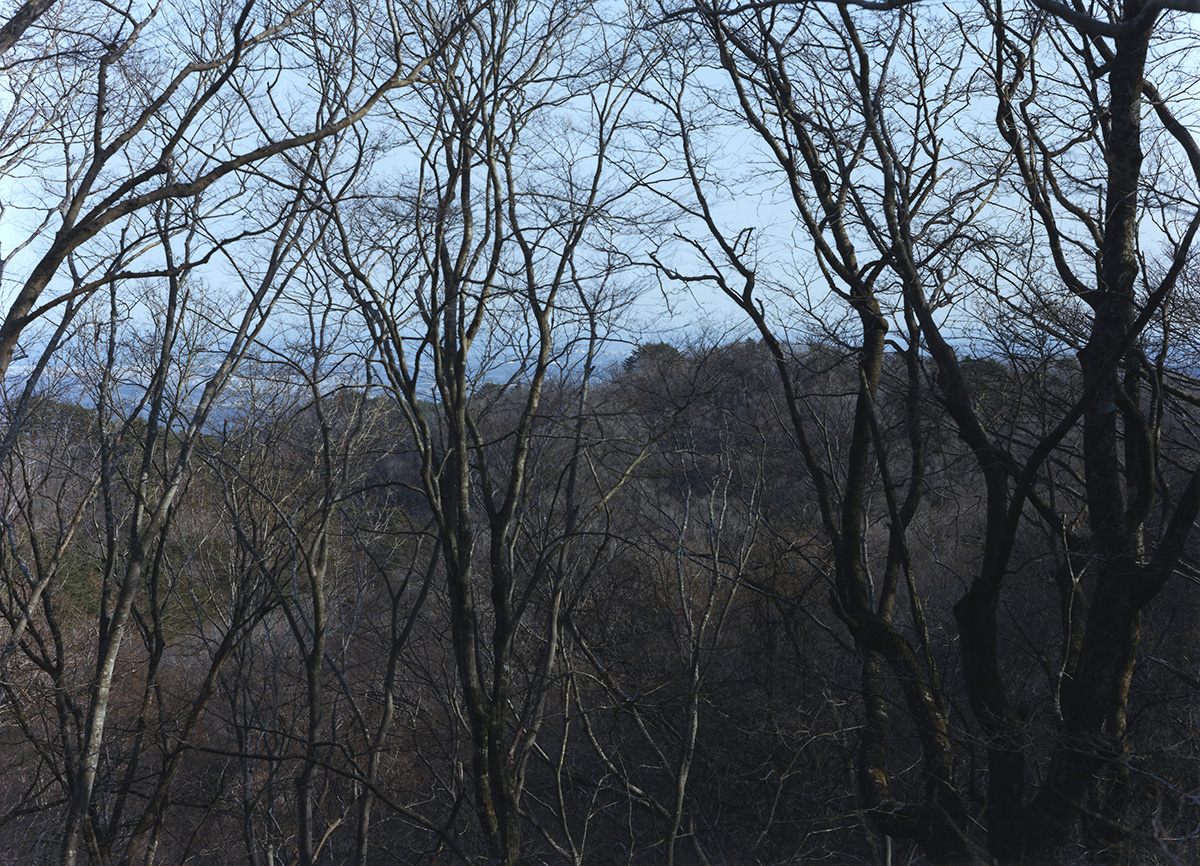
Tomoki IMAI
Born in 1974 in Hiroshima. He graduated from the Department of Aesthetics and Art History, Tokyo University of the Arts in 1998. In his works, such as Mahiru – In the Middle of the Day (2001) and LIGHT AND GRAVITY (2009), Imai captures everyday scenes of interiors, forests, and streets that are nevertheless filled with serenity. In recent years, he has produced “In Their Eyes” (2016) by following the works of photographers who made images from different political positions during World War II, and treating memories of the past as something not separated from the present, but rather as that which approaches the present; and “Semicircle Law” (2013), in which he photographed straight ahead the reactor building at Fukushima Daiichi Nuclear Power Plant from mountain tops within its 30km radius. He has participated in group exhibitions such as “Azamino Contemporary vol.9 Uncertain Landscape,” Yokohama Civic Art Gallery Azamino, Kanagawa (2018), “In the Here and Now,” Tokyo Photographic Art Museum, Tokyo (2017), “19th DOMANI: The Art of Tomorrow,” The National Art Center, Tokyo (2016), “Meguro Address,” Meguro Museum of Art, Tokyo (2012). His works are included in the collection of San Francisco Museum of Modern Art and Tokyo Photographic Art Museum.

Hitoshi TSUKIJI
Hitoshi Tsukiji was born in Kanagawa Prefecture in 1947. Originally self-taught, Tsukiji later became acquainted with the book designer Nobuyoshi Kikuchi, who taught him methods of photographic expression and thought. Since the mid-1960s, Tsukiji has pursued the essence of photographic expression in the city with a sharp eye while eliminating lyricism. In 1979, he established CAMERA WORKS with photographic historian Ryuichi Kaneko, and photographers Shinzo Shimao and Miyabi Taniguchi and published the booklet camera works tokyo (1979-1995).
His solo exhibitions include “VECTOR”, Photo Gallery Prism (Tokyo, 1977); “Shashinzo”, Zeit-Foto Salon (Tokyo, 1984); “Vertical, (DOMAIN)”, Mole (Tokyo, 1992); “Objects, Faces and Anti-Narratives – Rethinking Modernism”, Tokyo Photographic Art Museum (Tokyo, 1995); “Hitoshi Tsukiji Now <Naze・Ima・Kokoni> 1974-1998”, Shadai Gallery, Tokyo Polytechnic University (Tokyo, 1998); “Shashinzo”, Taka Ishii Gallery Photography / Film (Tokyo, 2017); “Mother Police City”, Taka Ishii Gallery Photography / Film (Tokyo, 2019). His publications include Vertical, (DOMAIN), Self-published, 1975; Light on the Seashore, CAMERA WORKS, 1980; Shashinzo, CAMERA WORKS, 1984; TOSHIBA [by Hitoshi Tsukiji and Lewis Baltz], UPU, 1989; Hitoshi Tsukiji Photographs (Shashin), Nihon Shashin Kikaku, 2015. He is the recipient of the Photographic Society of Japan’s Newcomer’s Award for the series “Shashinzo”, 1985. His photographs are included in the collections of Shadai Gallery, Tokyo Polytechnic University; Japan Foundation; The Kawasaki City Museum; The National Museum of Modern Art, Tokyo; Tokyo Metropolitan Museum of Photography; Shanghai Art Museum; Princeton University Art Museum; Fondazione MAST.
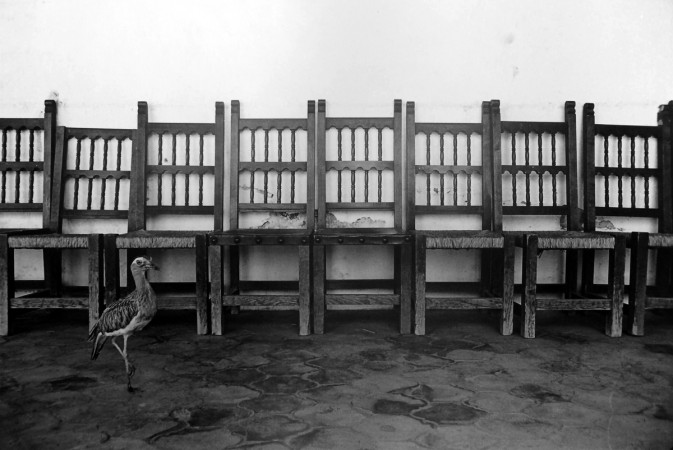
Graciela ITURBIDE
Graciela Iturbide was born in Mexico City in 1942, lives and works in Mexico City. She enrolled at the film school Centro de Estudios Cinematográficos at the Universidad Nacional Autónoma de México in 1969 to become a film director. However, she was soon drawn to the art of still photography as practiced by the Mexican modernist master Manuel Álvarez Bravo, who was teaching at the university. From 1970-71, she worked as Álvarez Bravo’s assistant, accompanying him on his various photographic journeys throughout Mexico. In the early half of the 1970s, Iturbide traveled widely across Latin America, in particular to Cuba, and several trips to Panama. In the mid-70s, Iturbide began to reveal a clear preference for the theatrical atmosphere of popular Mexican Festivals, where Catholic rites blend with indigenous tradition in a great carnivalesque celebration. Through these works, Iturbide emphasizes the irony of Mexican imagery which represents death and accentuates the surrealistic character of these social rites. Iturbide’s major solo exhibitions include “Heliotropo 37” Fondation Cartier pour l’art contemporain (2022); Museum of Fine Arts, Boston (2019); Tate Modern (2013); Museo Frida Kahlo, Mexico City (2012); Barbican Art Gallery, London (2012); Museo de Arte Moderno, Mexico City (2011); MAPFRE Foundation, Madrid (2009); Fotomuseum Winterthur (2009); Americas Society, New York (2008); J. Paul Getty Museum, Los Angeles (2007); Museum of Modern Art, Rio de Janeiro (1993); San Francisco Museum of Modern Art (1990); Centre Pompidou, Paris (1982). Major awards include the Cornell Capa Lifetime Achievement Award (2015); the Lucie Award (2010); National Prize of Sciences and Arts, Mexico City (2009); Hasselblad Foundation Photography Award (2008); Legacy Award (2007); Hugo Erfurth Award (1989); a Guggenheim Fellowship (1988); the Eugene Smith Memorial Foundation Award (1987).
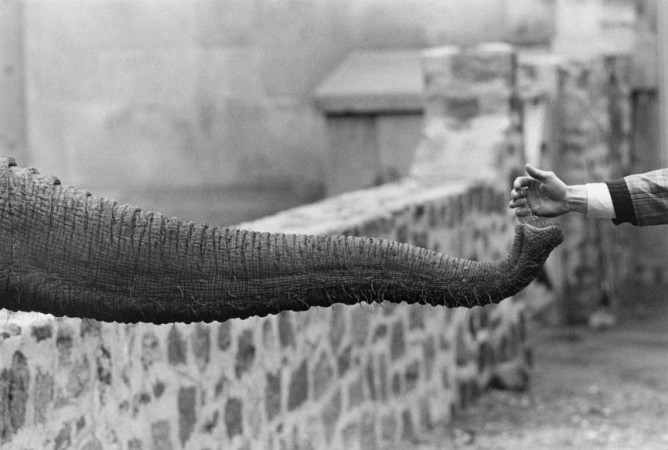
Garry WINOGRAND
Garry Winogrand was born in 1928 in New York and passed away in 1984. He began photographing while serving in the United States Air Force during World War II. He studied painting in 1947 at City College of New York, and then studied painting and photography at Columbia University in 1948. Starting from around 1952, he worked as a freelance photojournalist and commercial photographer, shooting for LIFE and Look magazines, among many others. Later, under the influence of photographers like Robert Frank, he began to shoot street photographs in New York City on his own. In line with his statement that “Photography is not about the thing photographed. It is about how that thing looks photographed,” from this time on he left behind conventions of documentary photography in favor of representing his immediate societal environment from a highly personal perspective. In 1966, he participated in the exhibit “Toward a Social Landscape” at the George Eastman House of Photography, Rochester with Lee Friedlander and Duane Michals; this was a defining exhibit for new photographic movements of the 1960s. In 1967, Winogrand gained further recognition as one of the leaders of contemporary American photography through his participation in the “New Documents” exhibit at MoMA, with Friedlander and Diane Arbus. His major publications include The Animals (1969), Women Are Beautiful (1975) and Public Relations (1977).
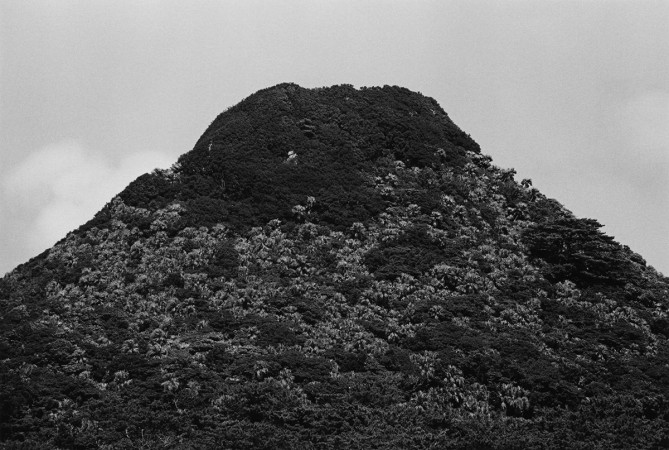
Masahiro KODAIRA
Masahiro Kodaira was born in Tokyo in 1972 and graduated from Tokyo Zokei University in 1997. He studied photography under Yutaka Takanashi and Akihide Tamura. Joined the archive project for the work of Kiyoji Otsuji in 1996, he produced modern prints from Otsuji’s negatives and also organized exhibitions of Otsuji’s works. Motivated by his interest in the fundamental mysteries regarding his relation to the world, Kodaira shoots intuitively in response to various environments. He then fixes his images, through his sophisticated darkroom techniques, as works with unique visual intensity. His solo exhibitions include “Dr. Lorenz’s Butterfly,” Sirius Aidem Photo Gallery, Tokyo (2002), “tsuzuki-no kawarini (Instead of Continuation),” Gekkoso, Tokyo (2009), “The Wholly Other,” Omotesando Garo, Tokyo (2013), “The Wholly Other,” Taka Ishii Gallery Photography / Film and Plaza Gallery, Tokyo (2015) and “I am that I am,” Taka Ishii Gallery Photography / Film, Tokyo (2018).

Ayaka YAMAMOTO
Ayaka Yamamoto was born in 1983 in Kobe, Japan. She studied painting in Kyoto Seika University and graduated in 2006. While studying in San Francisco in 2004, she started taking photographs. Staying in countries and regions often regarded as “peripheries,” she creates photographic works and films, taking time to engage with the people she encounters in contexts where languages and cultures are not shared. Guided by the senses that arise before bodily conscience, she explores the relationship between self and others, and continues to reflect on the ways of being.
Since her visit to Finland and Estonia for photographs in 2009, she continuously made trips to the countries such as Estonia (2010), Latvia (2011, 2012, 2014), France (2012, 2013), Russia (2014), Ukraine (2015), Bulgaria (2016), Romania (2017), Republic of Belarus (2018) Malawi (2019) and Georgia (2023) to realize her works.
Her recent major group exhibitions include “Japanese Contemporary Photography vol. 18,” Tokyo Photographic Art Museum (2021), “Continuity and Change”, Tokyo Photographic Art Museum (2025), “Photography and Portraiture: From Faces to Landscape”, Kiyosato Museum of Photographic Arts, Yamanashi (2025). Her major solo exhibition include “Sand, Water and Dust” Taka Ishii Gallery Photography/Film (2024). While travelling and photographing throughout Eastern Europe and Africa, she has participated in exhibitions and residencies in Japan and overseas. Yamamoto won the 19th Sagamihara Prize for a Newcomer Professional Photographer for her photobook “We are Made of Grass, Soil, and Trees” (T&M projects, 2019). Her works are included in the collection of Tokyo Photographic Art Museum (Tokyo, Japan), Kiyosato Museum of Photographic Arts (Yamanashi, Japan) and Villa Pérochon Centre d’Art Contemporain Photographique (Niort, France).
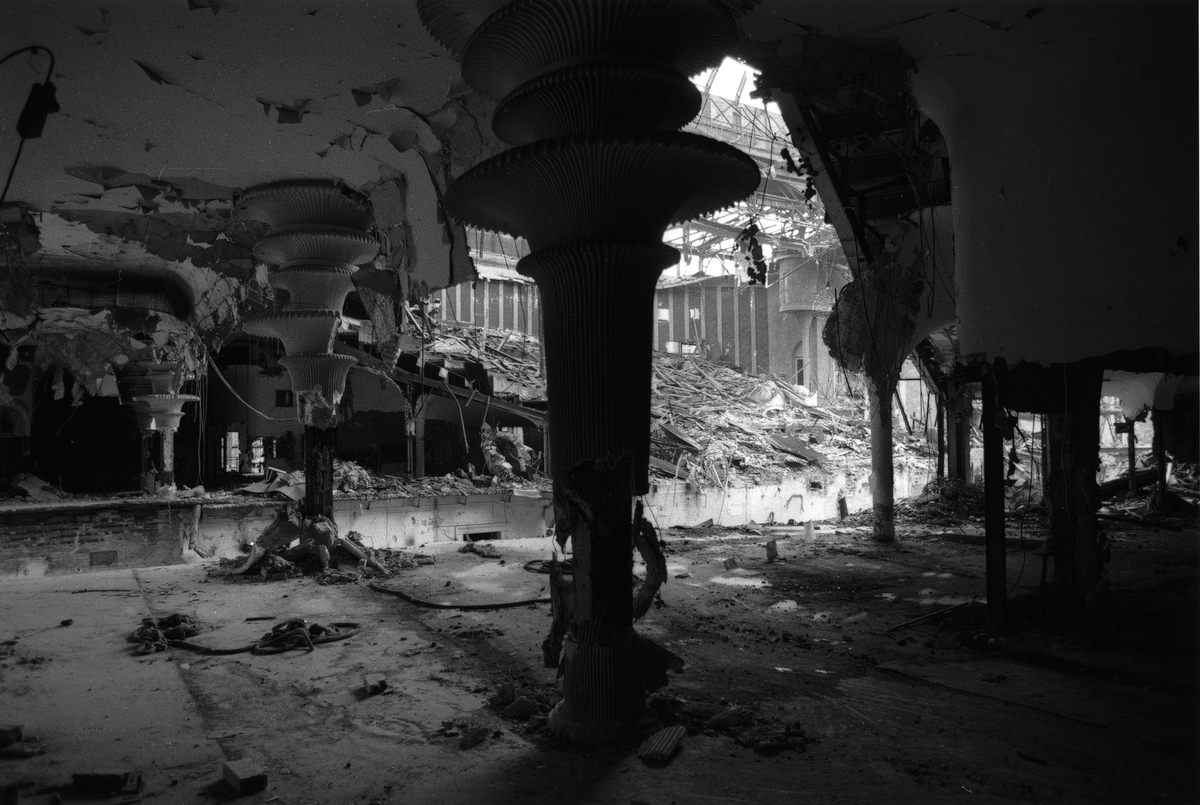
Ryuji MIYAMOTO
Ryuji Miyamoto was born in Tokyo in 1947. After graduating from the Graphic Design Department of Tama Art University, and working as an editor at architectural magazines, he began working independently as a photographer. Miyamoto has photographed, from a unique perspective, the city and its buildings as they are transformed, ruined, and revived. His works, such as “Architectural Apocalypse” (1986), in which he shot building demolition sites, and “Kowloon Walled City” (1988), in which he photographed the titular high rise slum in Hong Kong, have received critical acclaim both domestically and internationally. His solo exhibitions include “Ryuji Miyamoto Retrospective,” Setagaya Art Museum, Tokyo (2004); “Urban Apocalypse,” Künstlerhaus Bethanien, Berlin (1999); “KOBE 1995 After the Earthquake+,” Museum für Moderne Kunst Frankfurt, Frankfurt (1999); “Architectural Apocalypse,” Hillside Gallery, Tokyo (1986). He is the recipient of the 55th Award of the Ministry of Education in the Art Encouragement Prizes (for his solo exhibition at Setagaya Art Museum, 2005); Golden Lion Prize of the 6th International Architecture Exhibition Venice Biennale (for the exhibition “KOBE 1995 After the Earthquake,” 1996); the 14th Kimura Ihei Memorial Photography Award (his photo-books Architectural Apocalypseand Kowloon Walled City, as well as his exhibition “Kowloon Walled City,” 1989). His works are included in the collections of the San Francisco Museum of Modern Art (San Fransico); Deutschen Centrum für Photographie (Berlin); the National Museum of Modern Art, Tokyo (Tokyo).

Michio YAMAUCHI
Michio Yamauchi was born in 1950 in Aichi Prefecture. He graduated from the Second Literary Department (no longer extant) of Waseda University. In 1980, he started night school at the Tokyo School of Photography (currently Tokyo Visual Arts School). In 1982, he graduated from the Tokyo School of Photography and took part in an independent gallery known as Image Shop CAMP, and began showing photographs in photography magazines and independent galleries. Since 1992, he has shot not only in Tokyo, but also in other major Asian cities including Shanghai, Hong Kong and Dhaka.
His major solo exhibitions include “Hong Kong 1995-1997” at ZEN FOTO GALLERY (Tokyo, 2016), “Tokyo 2009.12.” at Third District Gallery (Tokyo, 2010), “CALCUTTA” at Konica Minolta Photo Plaza (Tokyo, 2004), “TOKYO, Tokyo” at Ginza Nikon Salon (Tokyo, 2002) and “Tokyo 1983.2.-1986.2.” at Olympus Gallery (Tokyo, 1986). His major publications include Keelung (grafica, 2010), TOKYO 2005-2007 (Sokyusha, 2008), Stadt(Sokyusha, 1992) and Hito-e (Place M, 1992). His major awards include the 35th Domon Ken Award (for Dhaka 2, fiscal 2015) and the 20th Tadahiko Hayashi Award (for Keelung, 2011). His photographs are included in the collections of The Tokyo Photographic Art Museum, Tokyo and Shunan City Museum of Art and History, Yamaguchi.

Daido MORIYAMA
Daido Moriyama (Ikeda, Osaka, 1938) lives and works in Tokyo. He first trained in graphic design before taking up photography under Takeji Iwamiya and Eikoh Hosoe as an assistant. He became an independent photographer in 1964, publishing Nippon Gekijō Shashinchō (Japan Theater Photo Album) in 1968 and Shashin yo Sayounara (Farewell Photography) in 1972; the work showed the darker sides of urban life and the city. He has had a radical impact on the photographic and art world in both Japan and in the West, with his expressive style of ‘are, bure, boke’ (rough, blurred and out-of-focus) and of quick snapshots without looking in the viewfinder.
His solo exhibitions include “William Klein + Daido Moriyama”, Tate Modern, London (2012); “On the Road”, The National Museum of Art, Osaka (2011); “Daido Retrospective 1965-2005 / Daido Hawaii”, The Tokyo Metropolitan Museum of Photography (2008); Centro Andaluz de Arte Contemporáneo, Sevilla (2007); Foam, Amsterdam (2006); Fondation Cartier pour l’art contemporain, Paris (2003); Fotomuseum Winterthur (2000); San Francisco MOMA (1999, travelling to The Metropolitan Museum, New York). He is a recipient of The Hasselblad Foundation International Award in Photography (2019); the Lifetime Achievement award at the 28th Annual Infinity Awards from International Center of Photography, New York (2012); The Culture Award from the Deutsche Gesellschaft für Photographie, Cologne (2004); The Photographic Society of Japan Lifetime Achievement Award (2004); the Mainichi Art Award (2003) and the Japan Photo Critics Association Newcomer’s Award (1967).

Nakaji YASUI
Nakaji Yasui was born in 1903 in Osaka and passed away in 1942. From the 1920s on, Yasui was an active photographer in the Kansai region of Japan; he is now seen as one of the most prominent Japanese photographers of the prewar period. At the very beginning of an era in which Japanese photography would express itself in a way that was both more international and more in step with the times, Yasui produced his photographs while enthusiastically incorporating many new theories of art into his work—and thinking extremely carefully about how these theories might impact his own development within the context of that time in Japan. Although Yasui’s career was short, his work has influenced Daido Moriyama and many other important contemporary Japanese photographers. In 2010, His major photography publications include the essay Landscape Photography in Practice (1938) and the photography book Nakaji Yasui photographer 1903-1942 (2004). Taka Ishii Gallery produced “Nakaji Yasui Portfolio” (a set of 30 modern prints in a limited edition of 15).

Toshiya MURAKOSHI
Toshiya Murakoshi was born in 1980 in Sukagawa, Fukushima Prefecture. He graduated from Nippon Photography Institute in 2003. Currently based in Tokyo, Murakoshi has shot his hometown since 2006 and continuously produced serene, yet powerful, landscape images that appear to trace his memories of time spent in his hometown. In 2009, he established the gallery “TAP” in Kiyosumi-Shirakawa, Tokyo. His solo exhibitions include “timelessness” at Konica Minolta Plaza (Tokyo, 2008), “uncertain” at Shinjuku Nikon Salon (Tokyo, 2009), “kusa wo fumuoto [sound of stepping on grass]” at Fukushima Airport (Fukushima, 2012), and “Burn After Seeing” at Kichijoji Art Museum, Musashino City (Tokyo, 2014). He is the recipient of the Photographic Society of Japan Newcomer’s Award (2011) and the Sagamihara Photograph New Face Incentive Award (2015). His works are included in the collections of the National Museum of Modern Art Tokyo and San Francisco Museum of Modern Art.
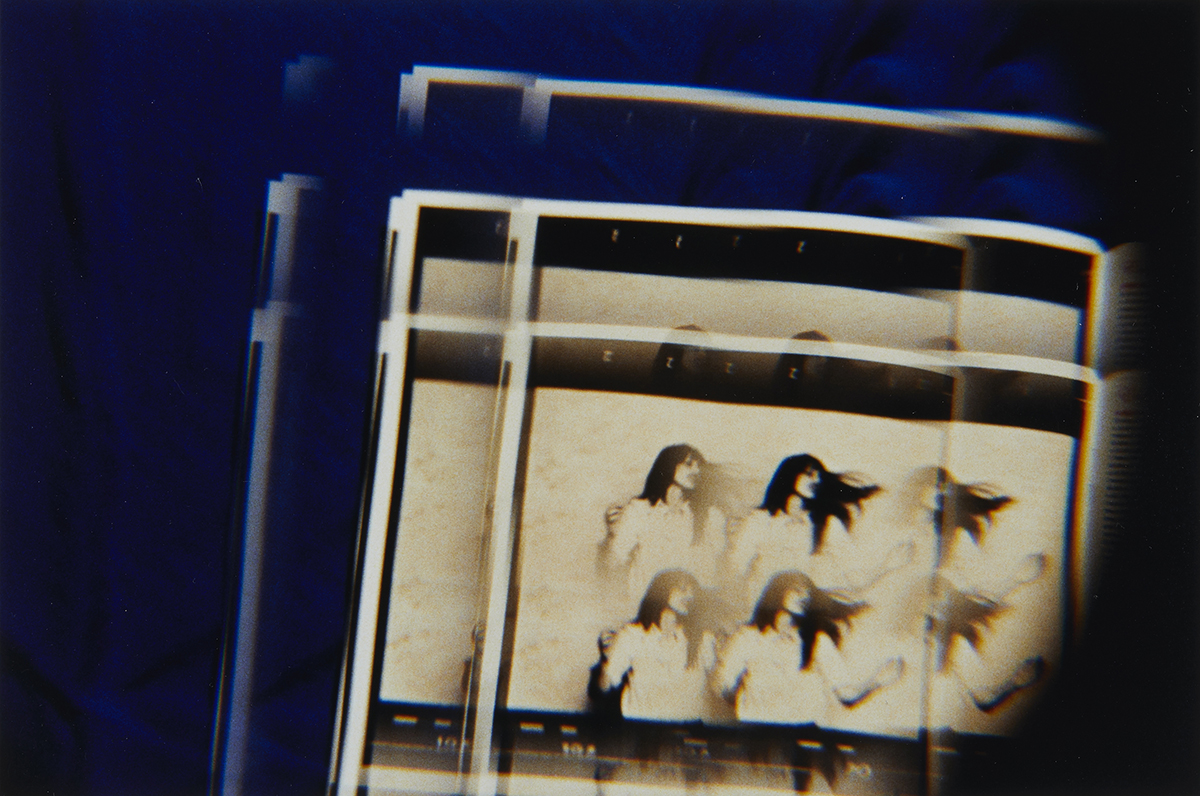
Erika YOSHINO
Born in Honjo City, Saitama Prefecture in 1970. She began photographing in 1989, and graduated from Tokyo College of Photography in 1994. During her studies, she continued her photographic practice while being influenced by photographers such as Kiyoshi Suzuki. Since the mid 1990’s, Yoshino has exhibited multiple monochrome works as street photography. In 2010, she began producing works in color: her works, shot in and around Tokyo, are tranquil but forcefully draw their viewers in with their unique worldview.
Yoshino’s major solo exhibitions include “ICE Echo Wave,” Ginza Nikon Salon, Tokyo (1995), “Enoshima Zero Meter,” Works H., Kanagawa (1996), “It’s a New Day,” Ginza Nikon Salon, Tokyo (1998), “Max Is Making Wax,” Viewing Room Yotsuya, YUMIKO CHIBA ASSOCIATES, Tokyo (2001), “Eleanor Rigby,” Yokohama Civic Art Gallery Azamino, Kanagawa (2008), “JUST LIKE ON THE RADIO,” Port Gallery T, Osaka (2011), “Digitalis,” Taka Ishii Gallery Photography / Film, Tokyo (2012), “NEROLI,” Taka Ishii Gallery Photography / Film, Tokyo (2016), “MARBLE,” Taka Ishii Gallery Photography / Film, Tokyo (2018) and “WINDOWS OF THE WORLD,” amanaTIGP, Tokyo (2022). Group shows include “Eleven & Eleven: Korea Japan Contemporary Art,” The Sungkok Art Museum, Seoul (2002), “Black Out: Contemporary Japanese Photography,” The Japan Cultural Institute in Rome (2002, traveled to Paris and Tokyo), “Nonchalant,” 4-F Gallery, Los Angeles (2004), “My Flower,” Taka Ishii Gallery Photography / Film, Tokyo (2021), and “TOP Collection: Serendipity Wondrous Discoveries in Daily Life,” Tokyo Photographic Art Museum (2023). In 2018, Yoshino won the 34th Higashikawa New Photographer Award and the 18th Sagamihara Prize for Newcomer Professionals. Her works are included in the collection of Tokyo Photographic Art Museum.
Ikko NARAHARA
Ikko Narahara was born in Fukuoka Prefecture in 1931, and passed away in 2020. His father, a prosecutor, frequently relocated for work; this meant that Narahara spent his adolescence living in various places throughout Japan. At the time that Narahara began photographing, in 1946, he was also interested in art and literature. He graduated from Chuo University with a degree in Law in 1954, and he later entered the master’s program in Art (specializing in Art History) at Waseda University. In 1955, he joined the innovative artist group Jitsuzaisha (Real Existence). This group was headed by Masuo Ikeda and Ay-O, and it also gave Narahara the opportunity to deepen his connection to Shuzo Takiguchi, as well as other artists like Tatsuo Ikeda and On Kawara. At the same time, he also came to know Shomei Tomatsu and Eikoh Hosoe. In 1959, together with other photographers, these three formed the independent photo agency VIVO, which dissolved in 1961. Narahara went on to photograph various places around the world while basing himself in Paris (1962-65) and New York (1970-74). Aside from his numerous exhibitions, Narahara has also published many photography books, finding a favorable reception abroad. Major exhibitions include “Human Land,” Matsushima Gallery, Tokyo (1956), “Ikko Narahara,” Maison Européenne de La Photographie, Paris (2002-2003) and “Mirror of Space and Time: Synchronicity,” Tokyo Metropolitan Museum of Photography (2004). Major awards include the Japan Photo Critics Association Newcomer’s Award (1958), The Ministry of Education, Science and Culture’s Art Encouragement Prize (1968), the Mainichi Arts Award (1968), the Annual Award of the Photographic Society of Japan Awards (1986) and the Medal of Honor with Purple Ribbon (1996).

“I Went to the Woods: The artist as wanderer”
Dates: Jul 23 – Nov 6, 2016
Location: The Lewis Glucksman Gallery, Cork
Participating artist: Helen Mirra
- 1
- 2